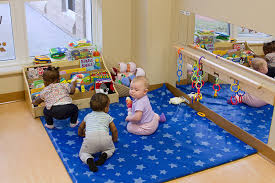
The early months of a baby’s life move quietly but meaningfully. Every sound feels new. Every texture invites curiosity. Parents often notice how small experiences shape big reactions. That is where sensory classes for babies naturally fit in. These classes are not about pushing skills or rushing milestones. They are about offering gentle moments where babies can explore safely while feeling supported by familiar faces.
Instead of loud stimulation or constant instruction, the focus stays on calm discovery. Babies respond in their own time. Parents slow down too. The space becomes less about outcomes and more about shared experience.
Early Learning Happens Through the Senses
Babies do not learn through instruction. They learn through experience. Feeling what is around them. Watching faces and movement. Listening to sounds. A calm rhythm can soothe them. A bright image can hold their gaze. A small movement can bring out a smile.
Sensory based learning fits naturally into this world. Different textures under their fingers. Familiar sounds repeated again and again. These moments help the brain recognise patterns, slowly and quietly.
Over time, babies begin to expect what comes next. That familiarity brings comfort. And when a baby feels safe and settled, learning happens more easily and with joy.
Why Gentle Structure Helps Babies Feel Safe
Routine matters, even in early infancy. A predictable flow helps babies relax. They begin to trust the environment and the people around them.
In a structured session, activities follow a calm sequence. Music may come first. Visual stimulation may follow. Movement might come later. This order does not overwhelm the baby. Instead, it provides reassurance.
Parents also benefit from this structure. There is no guessing or pressure. Everything feels guided but flexible. Babies are allowed to pause, observe, or rest without disruption.
READ MORE : https://myliberlaa.com/
Learning Without Pressure or Comparison
Every baby develops differently. Some respond quickly. Others take time. A supportive learning environment respects these differences.
There is no comparison between babies. No expectation to perform. Babies are free to engage at their own pace. This freedom reduces stress for both child and parent.
Learning feels natural because it is rooted in comfort. When babies are not pushed, they explore more confidently. Over time, this builds quiet self assurance.
The Difference Between Free Play and Guided Learning
Free play at home is important. But guided sensory sessions offer something slightly different. Activities are planned with intention. Timing and variety are carefully balanced.
This structure helps babies build focus. Short repeated activities train attention gently. Over time, babies become more comfortable engaging for slightly longer periods.
Parents also gain ideas they can use at home. Songs, movements, and simple games often become part of everyday interaction.
Skills That Grow Beyond the Baby Stage
The effects of early sensory exposure do not stop after infancy. The experiences shape how babies approach learning as they grow.
Some long term benefits often include
• Better comfort in group environments
• Early listening and observation skills
• Confidence with new routines
• Positive emotional responses to learning
• Stronger parent child connection
These foundations support smoother transitions into later learning stages.
Creating a Calm Learning Habit at Home
Many families notice that sensory sessions change how they interact at home. Play becomes slower. Attention becomes more intentional.
Simple actions like singing during bath time or offering safe textures during play start to feel meaningful. Parents become more present. Babies respond with curiosity.
Just before families reflect on the value of sensory classes for babies, they often realise the biggest change is not skill based. It is relational. Learning becomes a shared habit rather than a task.